


South Korea travel field notes
Practical guides to South Korea
Destinations, stays, and restaurants, plus the routes from your hotel and the transit cards and payments you will need on the ground.
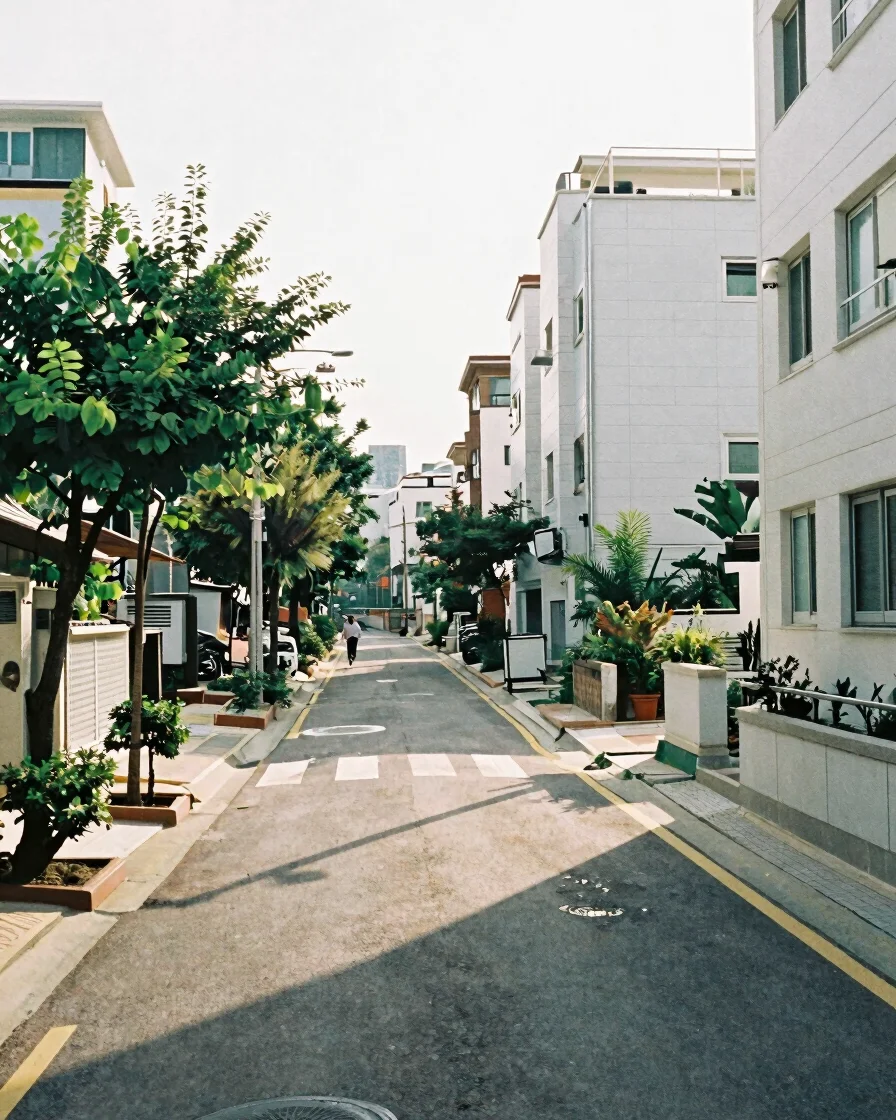
Where to go
Landmarks and neighborhoods
Each guide names the nearest subway or bus link, so you can plan the route from your stay before you leave.
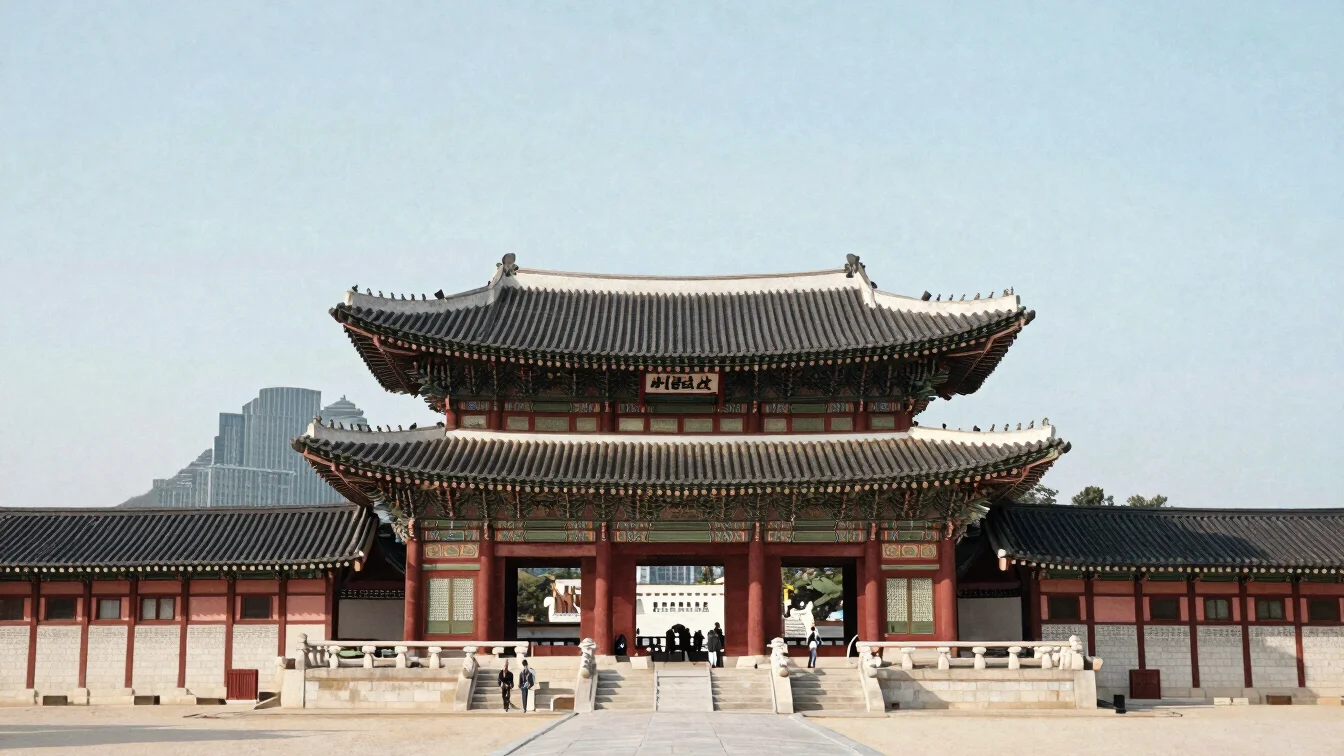
Palace district
Gyeongbokgung Palace
Reach it from Gyeongbokgung Station on Line 3. Arrive early in the morning for quieter courtyards and softer light.
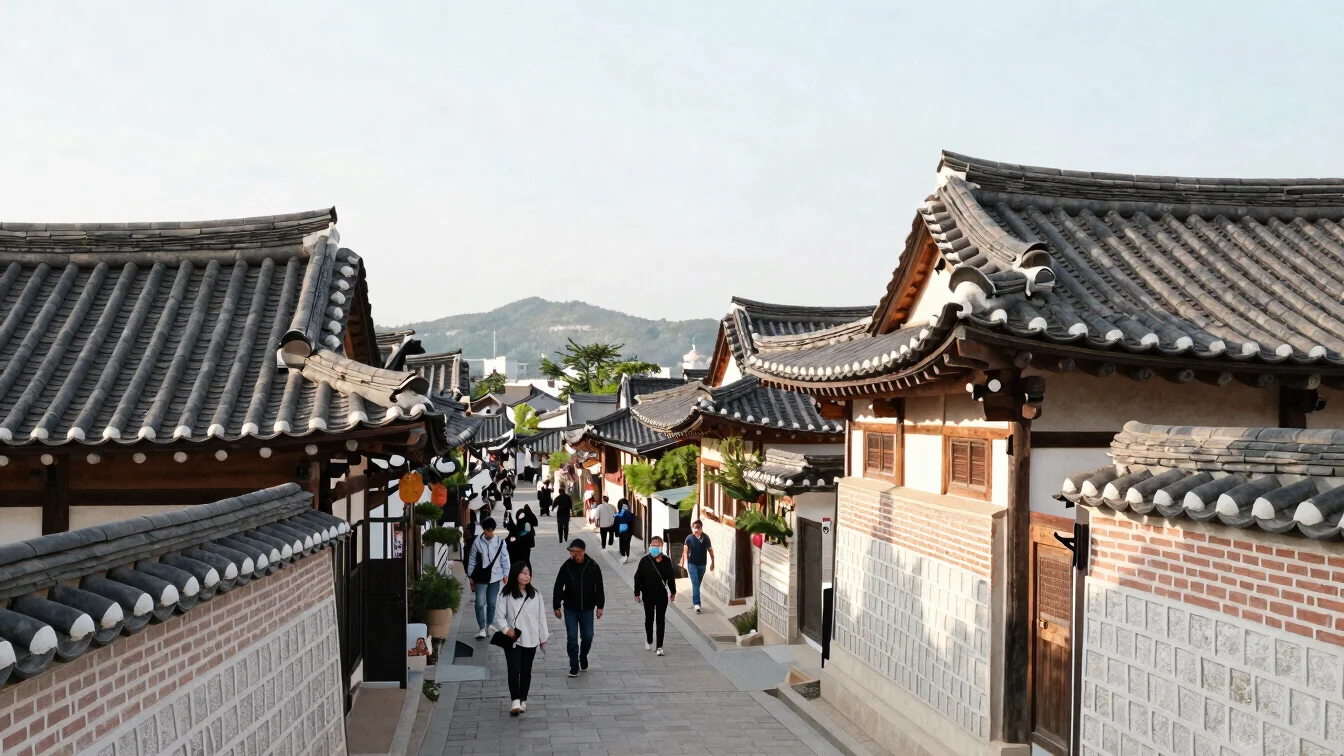
Old streets
Bukchon Hanok Village
Walk up from Anguk Station on Line 3. Expect steep lanes and residents' homes, so keep voices low and stay on the marked paths.
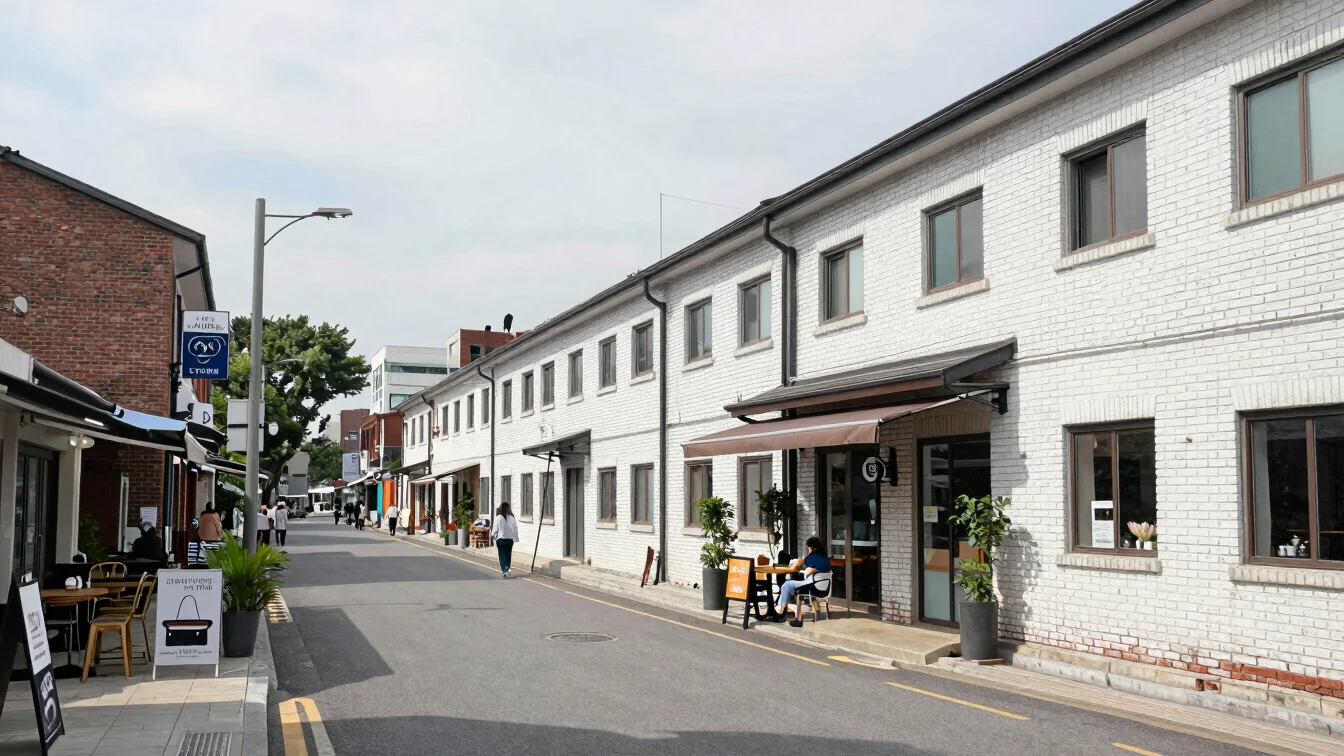
Neighborhood walk
Seongsu-dong
Take Line 2 to Seongsu Station. The district's converted warehouses, cafés, and workshops sit within an easy walking radius.
Getting around
From your stay to the sights
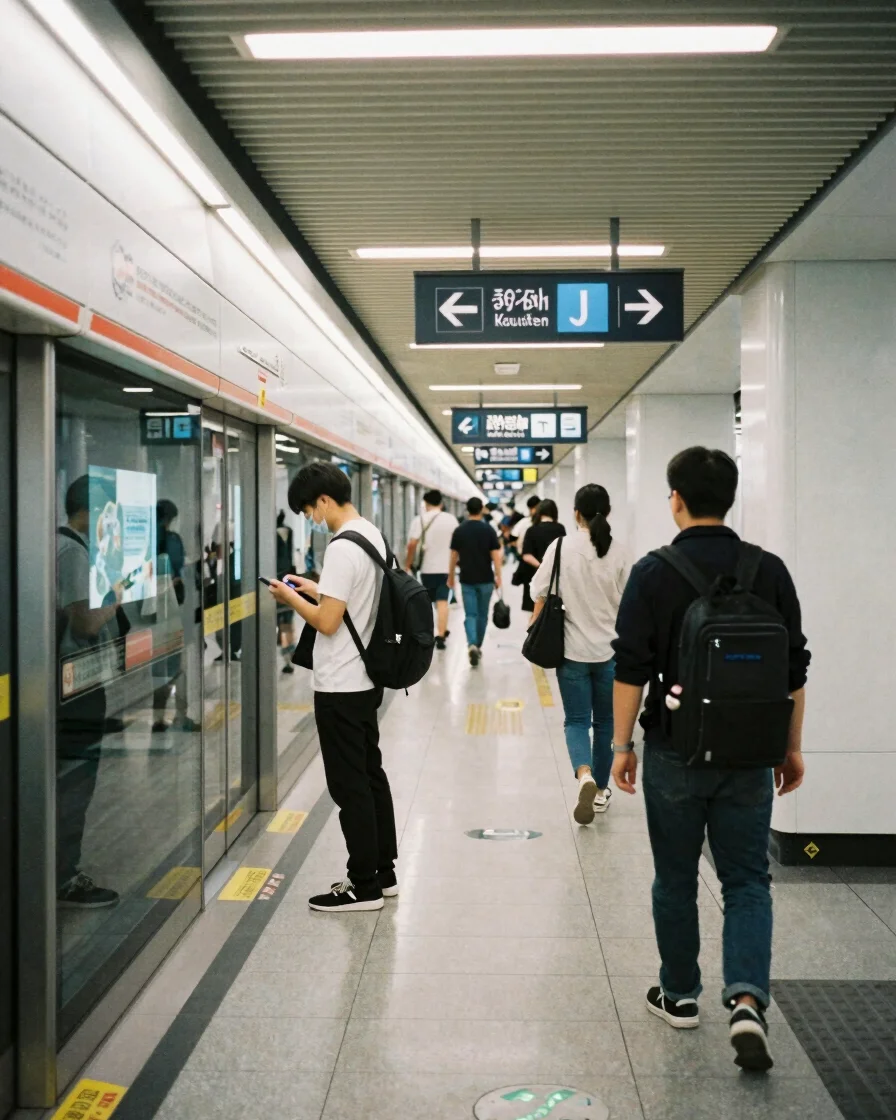
Seoul's subway reaches most landmarks, and buses fill the gaps. Start from your hotel's nearest station, then check the exit number on the station map before you walk.
Taxis and intercity express buses suit longer trips. Ask your stay for the closest station or bus stop, and keep its name written in Korean on your phone.
On the ground
Load a reloadable transit card on arrival
Most city buses and subway lines accept reloadable transit cards and mobile payment. Check which cards and payment methods your route accepts before you set off.